

The NAACP Louisville Branch is Bridging the Gap Between Environment and Health: NAACP BUILD Grant in Action
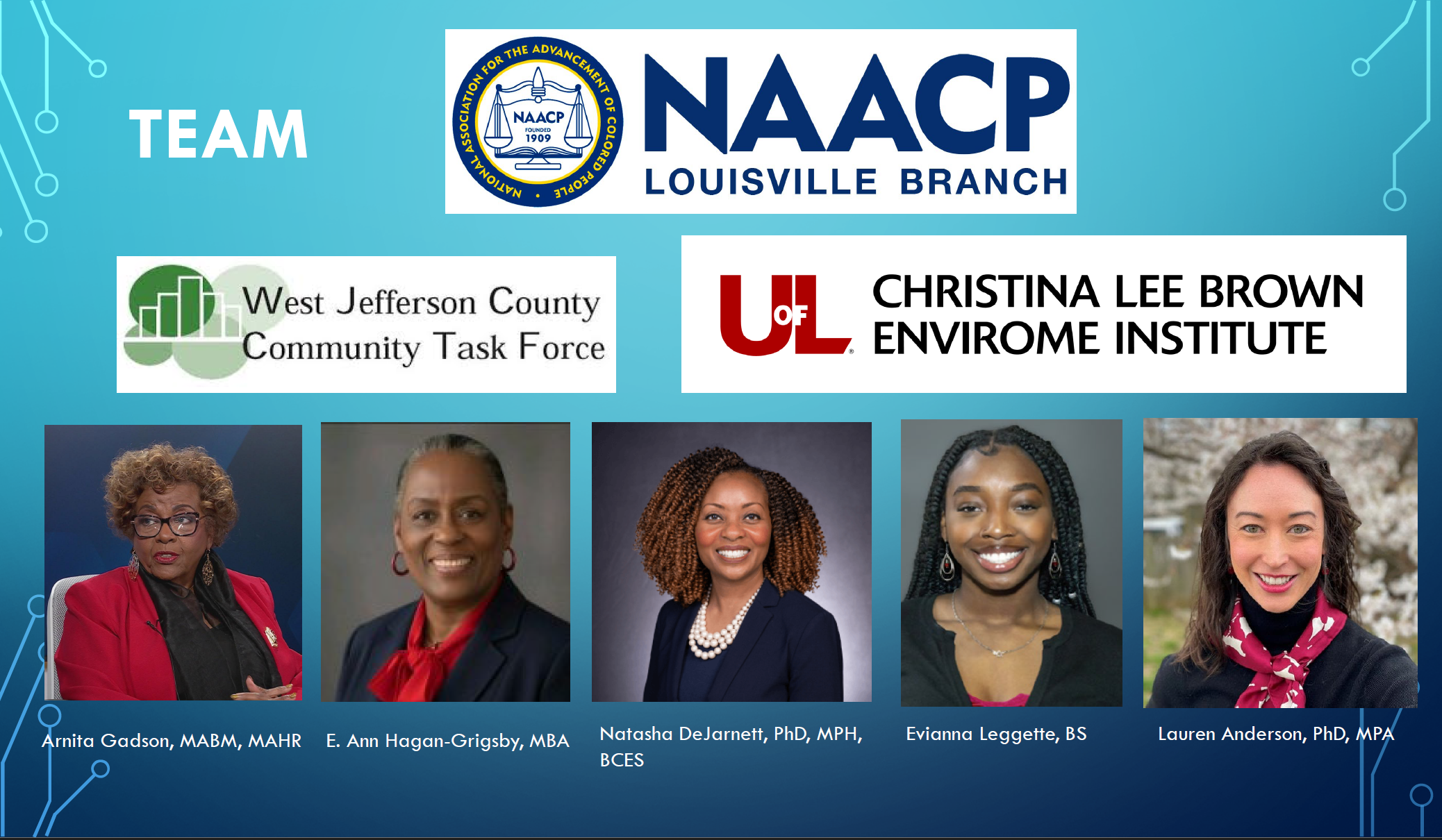
In Louisville, Kentucky, a new initiative is taking shape to address a long-standing challenge: how to better connect environmental exposures with clinical care. Through the NAACP’s BUILD Grant program, the NAACP Louisville Branch, working in partnership with the University of Louisville’s Christina Lee Brown Environment Institute and the West Jefferson County Community Task Force (WJCCTF), is launching the Exposure Education for Clinical Patients and Clinicians (EECPC) project. This effort aims to empower both patients and healthcare providers with the knowledge needed to recognize and respond to environmental health risks.
Why This Work Matters
For decades, residents of West Louisville, particularly those living near the Rubbertown industrial corridor, have faced disproportionate exposure to air pollution. The complex contributes a significant share of Louisville’s emissions, and nearby communities, largely comprised of Black residents, experience higher rates of chronic illness linked to environmental factors.
These disparities are not new. Data from Louisville’s health equity work shows that residents in West Louisville have a 12-year shorter life expectancy than those in other parts of the city, with environmental exposures playing a major role in this gap. Historical policies, including redlining and industrial zoning, have concentrated environmental burdens in these neighborhoods, reinforcing cycles of inequity.
At the same time, there is a critical disconnect in healthcare: most clinicians receive little to no formal training in environmental health. This means that even when environmental exposures contribute to illness, they are often not recognized, discussed, or incorporated into diagnosis and treatment.
The EECPC project is designed to close this gap by building a shared language between patients and providers. Tools and guides will help patients better understand how environmental exposures may affect their health and give clinicians practical ways to incorporate that information into care.
Through this grant, the team will:
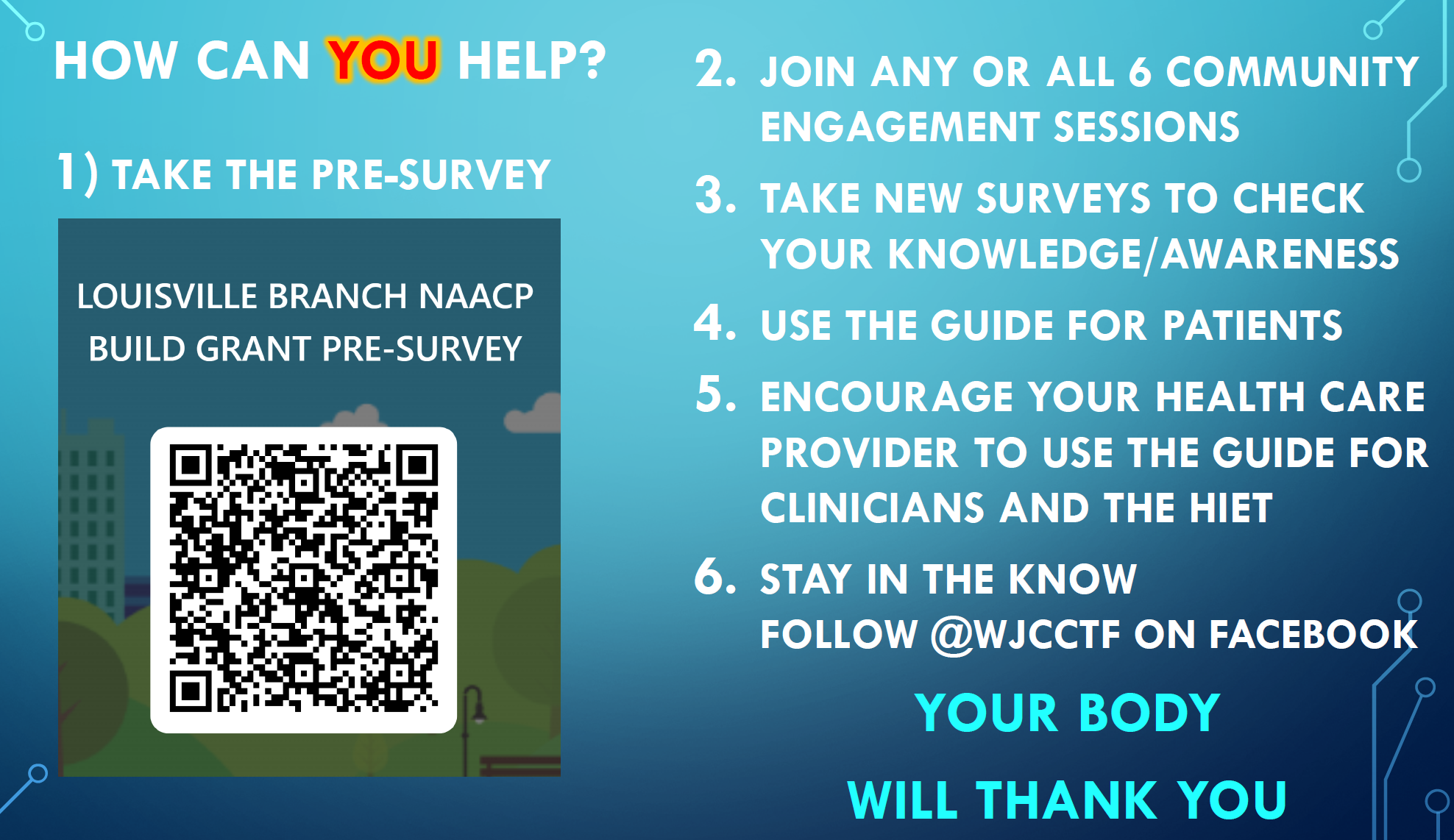
Develop a patient-facing Environmental Health Clinical Conversation Guide and fact sheets about air pollution and health impacts in Louisville,
Create a clinician-facing website and tools with local exposure data and health insights,
Distribute materials to at least 300 community members and 50 healthcare professionals, and
Host meetings, radio outreach, and sponsor the annual Environmental Justice Conference.
This work builds on a strong foundation of local collaboration. For years, partners across Louisville, including the Air Pollution Control District, community organizations, and researchers, have worked together to better understand and address air toxics exposure. Efforts such as ambient air monitoring, wastewater-based exposure tracking, and health risk assessments are helping to translate environmental data into meaningful health insights. These approaches aim not only to measure pollution, but to connect exposure to real health outcomes and clinical decision-making.
At its core, this project is about connection: connecting data to people, environment to health, and communities to the systems that serve them. By equipping both patients and clinicians with the tools to understand environmental exposures, Louisville’s NAACP BUILD Grant initiative is helping to redefine what it means to deliver equitable, informed healthcare.
The NAACP BUILD Grant Program: A Catalyst for Community Change
The NAACP’s BUILD (Building, Leveraging, and Investing in Diverse Communities) Grant program was created to support local NAACP units in advancing community-driven solutions to systemic challenges. These grants prioritize initiatives that align with the NAACP’s core commitments, including health and well-being, environmental and climate justice, education innovation, and inclusive economic opportunity.
Rather than funding top-down programs, BUILD Grants are designed to empower local leadership, enabling communities to identify their own priorities and develop tailored interventions. Projects like EECPC reflect this approach: grounded in lived experience, informed by data, and driven by partnerships spanning community organizations, academia, and public health systems.